Integrative health involves bringing conventional and complementary health approaches together in a coordinated and thoughtful way.
Rather than viewing traditional medicine and holistic therapies as opposing approaches, integrative health recognizes that both can play valuable roles in supporting overall wellness and healing.
For example, many cancer treatment centers with integrative health care programs now offer services such as acupuncture, meditation, massage therapy, nutrition counseling, and yoga alongside conventional medical treatment. These therapies may help patients better manage symptoms, reduce stress, improve quality of life, and cope with side effects during treatment.
Integrative health is not about replacing conventional medicine. It is about expanding the conversation around care and supporting the whole person - physically, emotionally, mentally, and sometimes spiritually.
Treating the Whole Person
One of the defining features of integrative health is its whole-person approach.
Instead of focusing only on a single symptom or organ system, integrative care considers the many factors that influence health and well-being, including:
- Physical health
- Emotional and mental wellness
- Stress levels
- Sleep quality
- Nutrition and lifestyle habits
- Movement and physical activity
- Social connection and environment
This broader perspective recognizes that health concerns are often interconnected. Chronic stress, for example, may affect sleep, digestion, immune function, and emotional health all at once.
By addressing multiple aspects of a person’s well-being, integrative health aims to support both symptom relief and long-term wellness.
Examples of Integrative Health Approaches
Integrative health programs may combine conventional medical care with complementary therapies such as:
- Acupuncture
- Massage therapy
- Meditation and mindfulness practices
- Yoga and Tai Chi
- Nutritional counseling
- Chiropractic care
- Breathwork and relaxation techniques
- Functional and lifestyle medicine
- Mental health counseling and stress management
These approaches are often used to help individuals manage chronic pain, anxiety, fatigue, digestive issues, recovery from illness, and overall stress.
Many people also turn to integrative health practices proactively, not just when illness occurs, but as part of maintaining balance, resilience, and prevention.
The Importance of Coordinated Care
An integrative approach also emphasizes communication and collaboration among providers.
Well-coordinated care helps ensure that all members of a person’s care team understand the therapies, medications, and treatments being used. This is especially important because some supplements, herbs, or complementary therapies may interact with medications or medical conditions.
When practitioners work together respectfully and collaboratively, patients often feel more supported, informed, and empowered in their health journey.
A Growing Interest in Integrative Wellness
Interest in integrative health continues to grow as more people seek approaches that support both healing and prevention.
Many individuals appreciate having access to therapies that help reduce stress, improve quality of life, and encourage active participation in their own wellness. At the same time, research continues to explore the effectiveness of many complementary therapies and their role alongside conventional medical care.
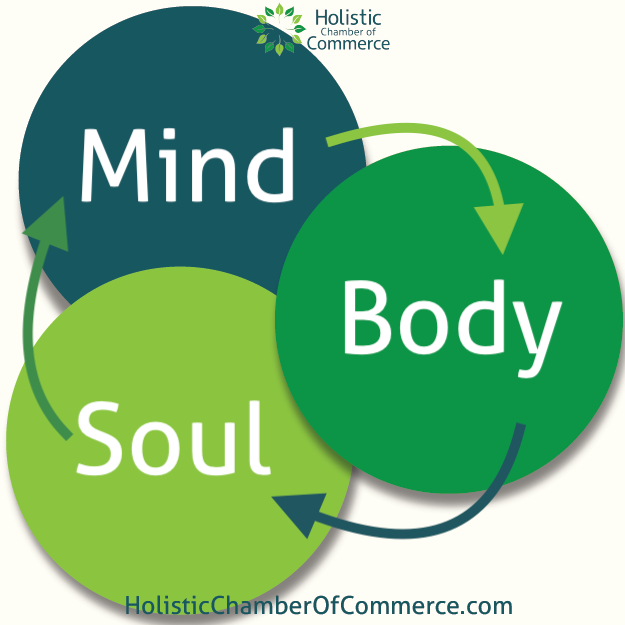
Integrative health reminds us that wellness is rarely one-dimensional. True well-being often involves caring for the mind, body, and spirit together while building a strong partnership between individuals and their health care providers.
Exploring Integrative Health Options
If you are interested in exploring integrative health approaches, start by speaking with qualified professionals and informing all of your health care providers about the therapies you are using or considering.
Our directory is a great place to discover practitioners offering a wide range of complementary and wellness services to support your overall well-being.

About the Author
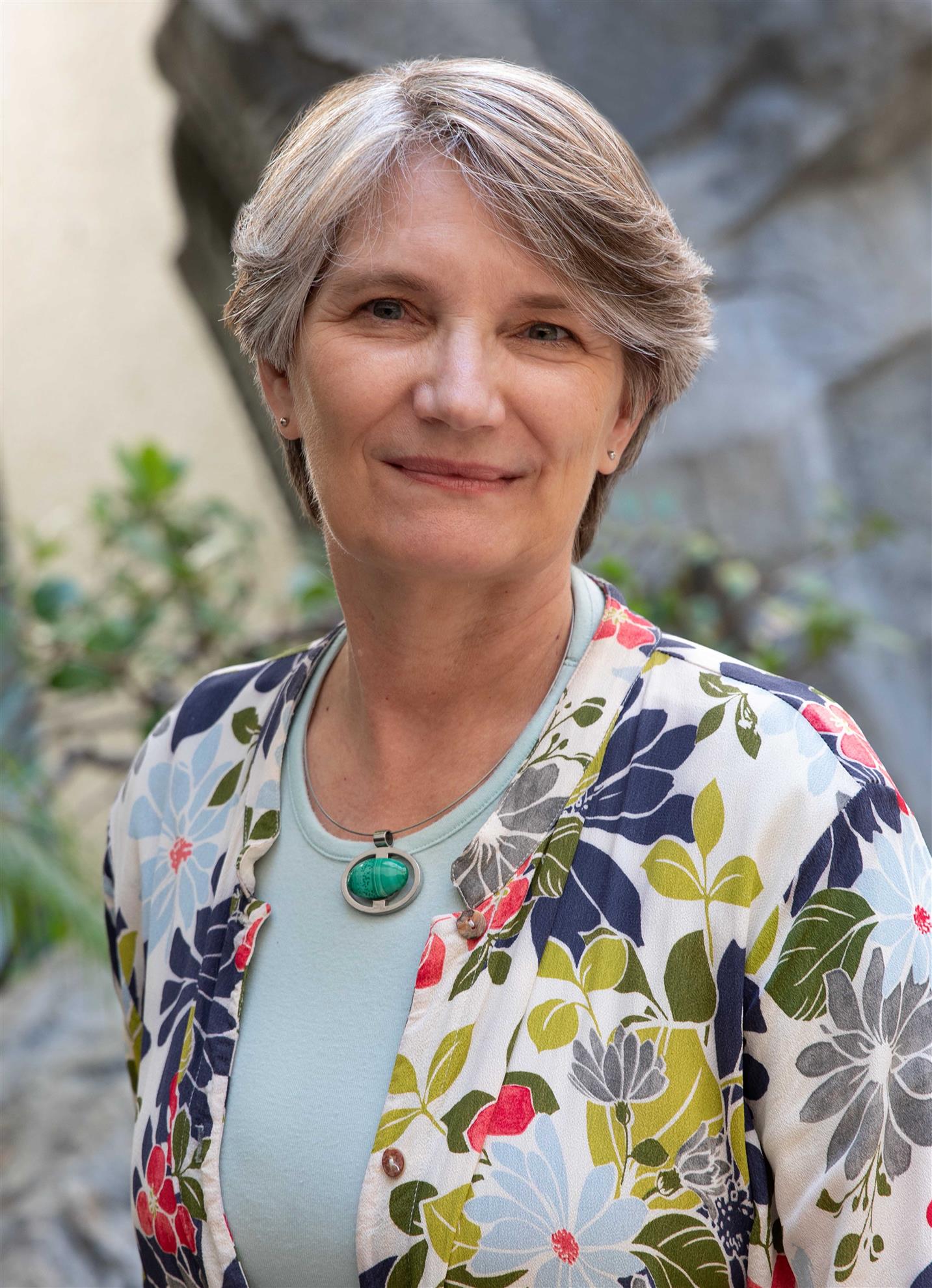
Camille Leon is the Founder and CVO (Chief Visionary Officer) of the Holistic Chamber of Commerce. She's also an abstract artist and the author of Fresh Starts / Transformation in Action. Whether you're looking for or offering a holistic approach to health, life, or business, Camille's purpose in life is to get you connected.
Support the HCC
We're advancing awareness and access for holistic health and wellness. Your contributions help us continue in our mission to connect consumers with wellness providers, and build peer-support networks for holistic professionals and business owners.
For a free alternative, you can add to our visibility and support us by leaving a Google Review about the articles we provide.